The Power of Hands-On Learning: Why an Inflatable Fire Education House Works
An inflatable fire education house is one of the most effective ways to teach children what to do during a fire emergency. Fire safety lessons are critical, but simply telling children what to do is rarely enough. Kids learn best through experience, repetition, and visual cues. By stepping inside a simulated home environment and practicing how to escape safely, children gain the confidence and awareness they need if a real emergency ever occurs.

Fire departments, schools, and community safety programs across the country are recognizing the value of hands-on education. When children physically practice fire escape routes and learn how smoke behaves in a safe setting, the information is much easier to remember than from a traditional classroom lecture.
Why Hands-On Learning is So Important for Fire Safety
Young children process information differently than adults. Research shows that interactive learning helps reinforce memory and understanding, especially when it comes to kids. When kids can move, explore, and physically participate in a lesson, they are more likely to retain what they have learned.
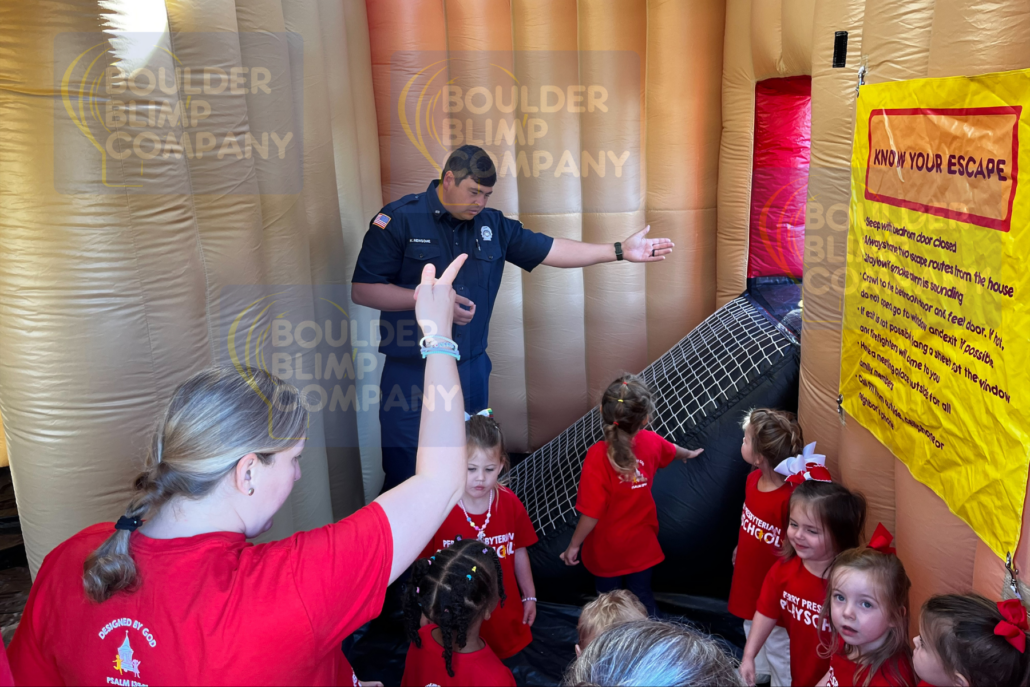
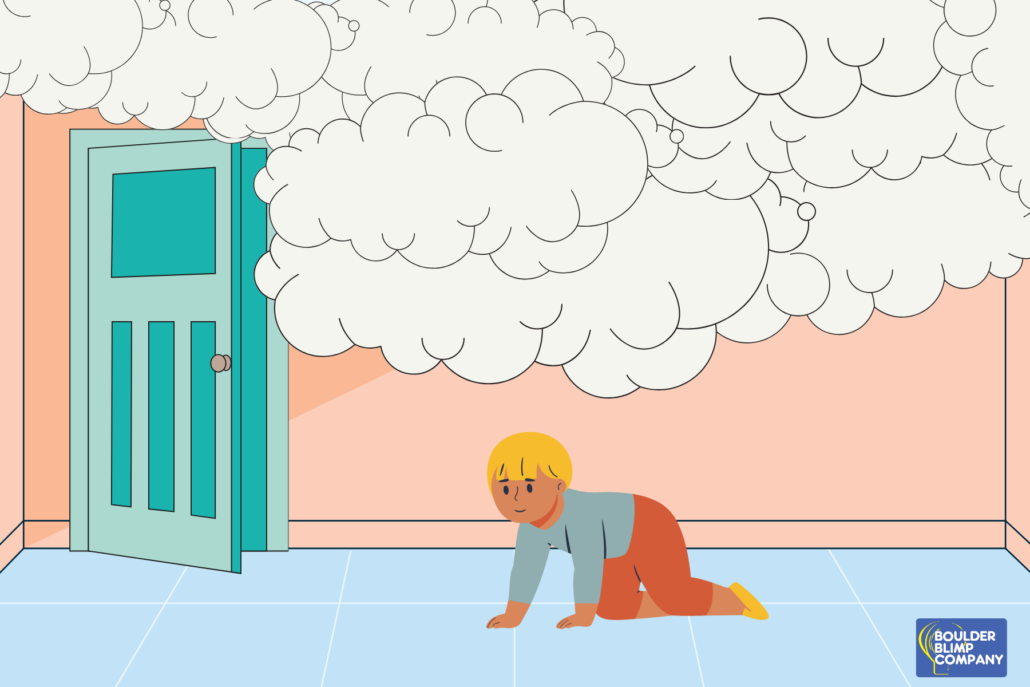
Fire safety education is especially suited to this type of approach. During a real fire, quick thinking and instinct matter. If a child has already practiced crawling under simulated smoke or finding the correct exit during a drill, those actions are far more likely to become automatic.
Real-world stories highlight how preparation can make a difference. In one case, a young girl helped save her family during a house fire after remembering the fire safety lessons she had been taught ahead of time. According to reporting from ABC News, the 10-year-old was able to alert her family and help them escape safely after recognizing the signs of danger and acting quickly. Situations like this show how important it is for children to understand what to do in an emergency, such as a fire.
Practicing Fire Escape in a Safe Environment
Teaching children to stop, drop, and roll or to crawl under smoke are common parts of fire safety education. However, many kids have difficulty visualizing these actions without seeing them in context.
A simulated home layout allows children to connect the lesson with a real environment. They can practice:
- Identifying fire risks
- Crawling under “smoke” conditions
- Understanding how quickly smoke can spread
- Finding safe exits and designated meeting points outside the home
These exercises transform abstract instructions into real experiences. Instead of memorizing rules, kids learn by doing.
How an Inflatable Fire Education House Brings Lessons to Life
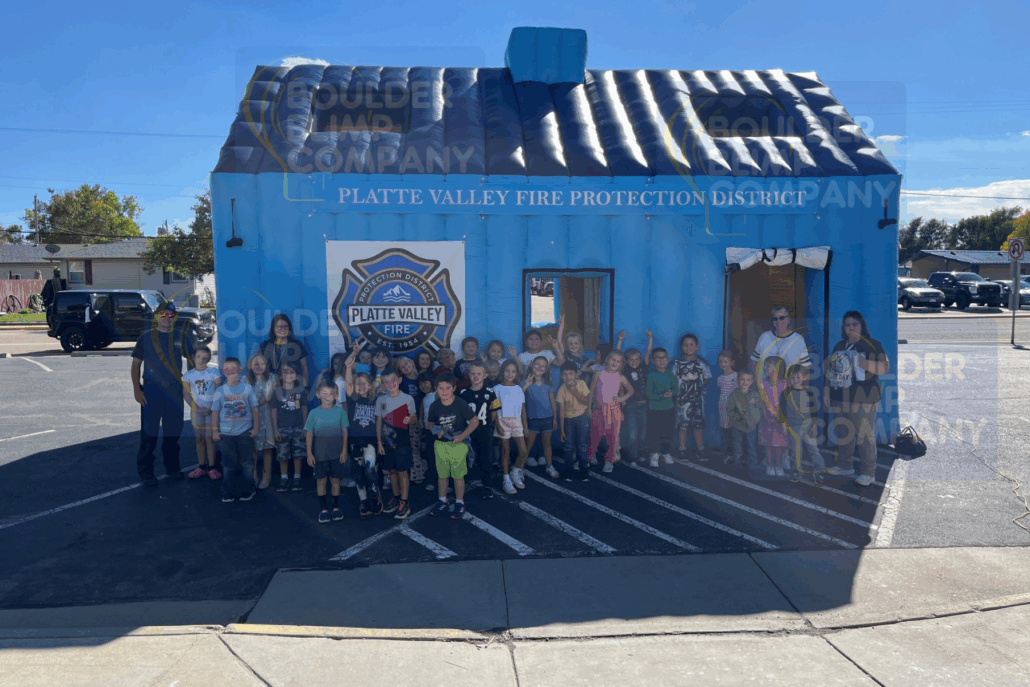
An inflatable fire education house provides a portable, realistic training environment that can be used almost anywhere. Fire departments and safety educators can bring the experience directly to schools, community events, and safety fairs.
Inside the structure, children walk through a mock home environment while instructors demonstrate how fires behave and guide them through proper escape techniques. Your organization can also opt in to adding simulated smoke effects with an easy-to-use smoke machine. This helps demonstrate why staying low to the ground is so important during a fire.
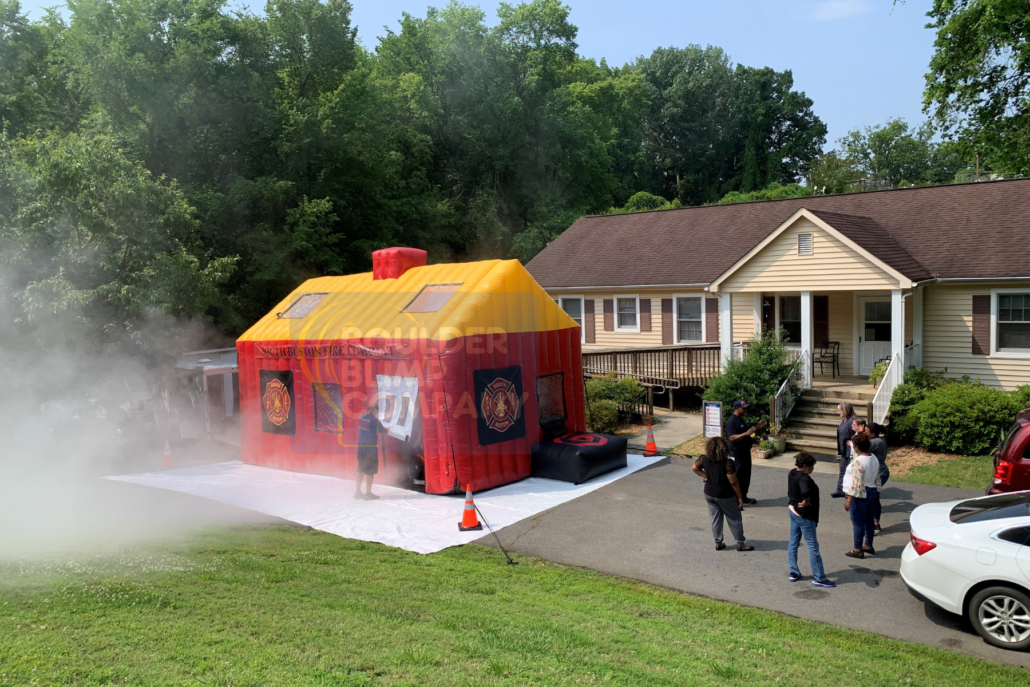
Because the structure is inflatable, it can be quickly set up, transported, and stored between events. This flexibility allows departments and educators to reach more children and bring fire safety education directly into the communities they serve.
The goal is simple: create a memorable experience that reinforces the life-saving steps children should take during a fire emergency.
Building Confidence That Lasts
Confidence plays a major role in how children respond during emergencies. If a child has never practiced fire escape techniques, they may panic or freeze when confronted with danger. Practicing in a controlled environment helps remove that uncertainty.
Children who complete a fire safety training experience often leave with a clearer understanding of how to react and a sense that they know what to do. Educators and firefighters frequently report that kids become more engaged, ask more questions, and share what they learned with their families afterward.
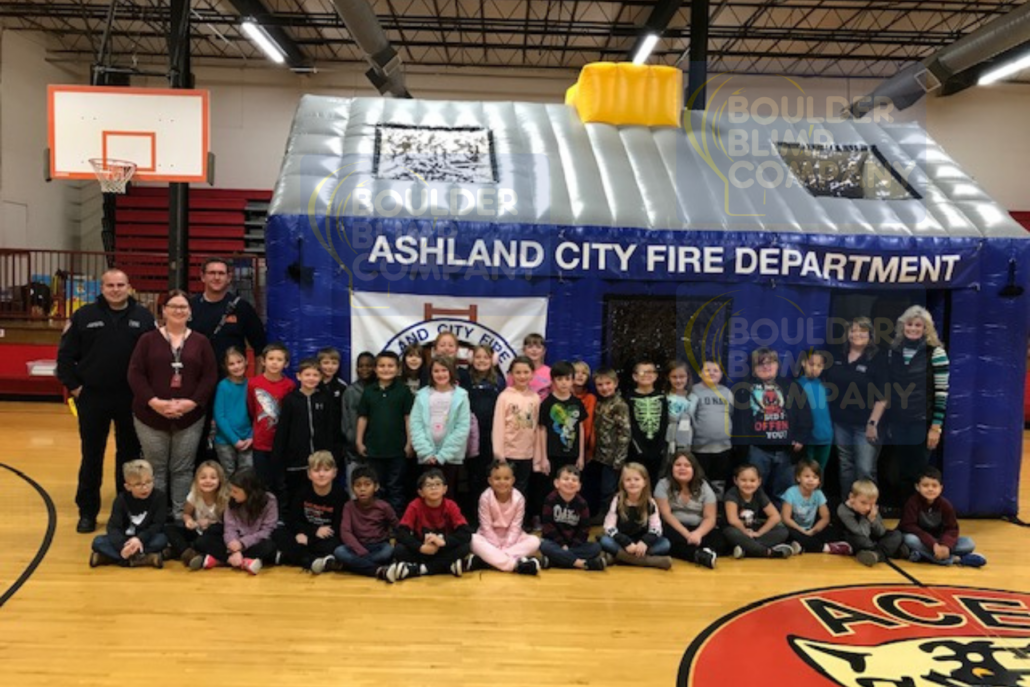
That ripple effect extends fire safety awareness beyond the classroom or event and into the home.
Bringing Fire Safety Education to Your Community
Fire safety education saves lives, and hands-on learning plays a powerful role in making those lessons stick. Programs that allow children to practice fire escape techniques in a realistic setting give them the knowledge and confidence they need if the unexpected happens.
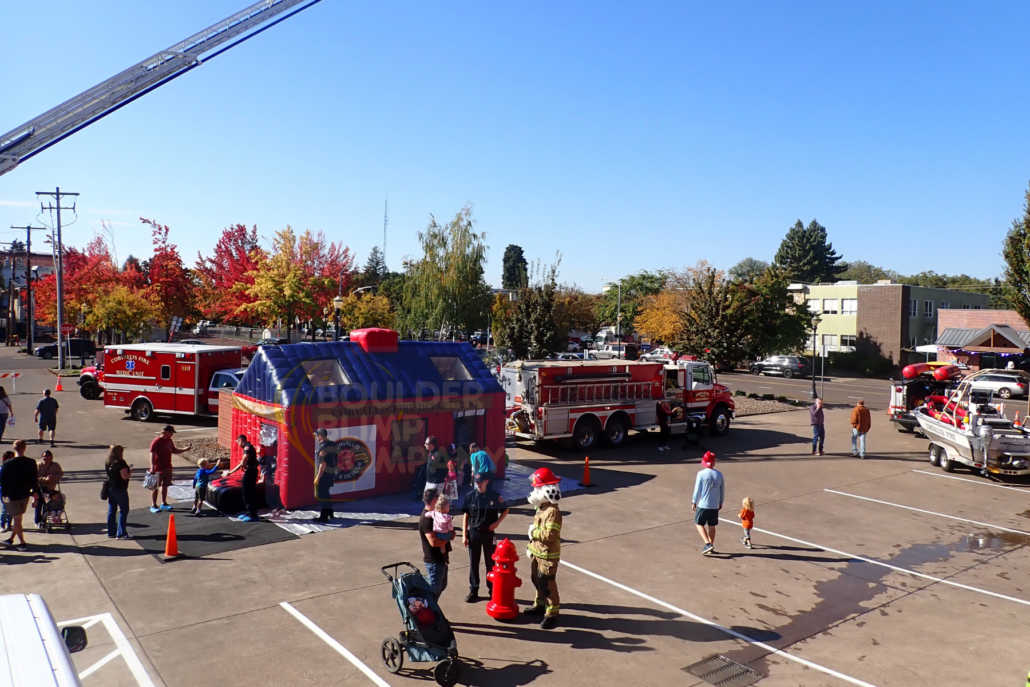
An interactive training tool like an inflatable firehouse helps departments, schools, and community organizations deliver memorable safety education that children will remember long after the lesson ends.
If you are looking for an engaging way to teach fire safety in your community, explore how an inflatable fire education house can support your program. Email us at fireeducation@boulderblimp.com to get started.